TikTok Hooks That Work for Business Videos: Examples and a Simple Test
Write honest TikTok hooks for tutorials, product demos and customer stories, then test the opening against retention and useful actions.
S
SocFan Team
Author
0
September 29, 2026
Write honest TikTok hooks for tutorials, product demos and customer stories, then test the opening against retention and useful actions.
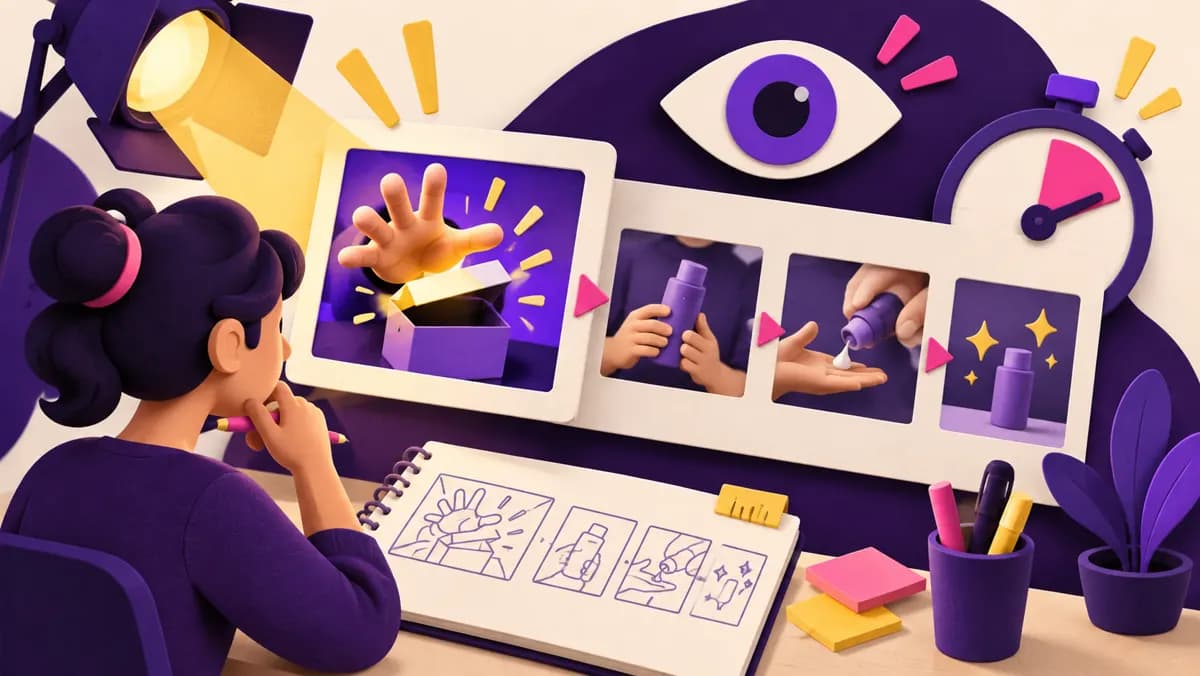
The first seconds of a TikTok video help a stranger decide whether the topic is relevant. A hook can be a question, a visible result, an unusual detail or a clear contrast. It does not need to be loud or misleading. The rest of the video must deliver what the opening promises, or the viewer has little reason to watch, trust or follow.
For a business, the strongest hook often comes from a customer question. “Which fabric survives a family sofa?” is more useful than “You will not believe this furniture secret.” It identifies a person and a decision. Before writing ten versions, write the one thing the viewer should learn. Then choose the opening that makes that value visible quickly.
TikTok prohibits the trade or promotion of services that artificially increase engagement and may remove fake followers or likes. Review its rules before purchasing. TikTok Community Guidelines.
Begin with the finished product, repaired item or clear before-and-after, then explain what changed. A baker can show the crumb of a loaf before the mixing steps. A repair shop can show a device working again before naming the fault. The result creates a question the rest of the video answers. Include enough context to avoid implying that every customer will get the same outcome.
Example: “This chair looked beyond repair. The loose joint was the real problem.” The video can then show the joint, the fix and a note about when a professional should inspect it. A result-first hook is most useful when the change is visible and the explanation is credible. If the result is subtle, a direct question may work better.
Continue with these practical guides: TikTok Profile Optimization: A Practical Checklist for Creators and Businesses.
A mistake hook works because the viewer recognizes a problem they might make. “The most common reason this plant dies indoors is too much water” can lead into a demonstration of checking soil. Avoid shaming people or claiming a single cause for every case. The point is to help someone avoid a costly or frustrating choice.
For a service business, show the mistake in a sample scenario. “We see this booking form error every week” can lead to a simple correction. The first frame should show the relevant object or screen, not just a talking head announcing that a mistake exists. Give the fix before asking people to follow. An answer that helps immediately is more likely to earn trust.
Two options side by side create a natural reason to watch. “Which packaging keeps this pastry intact on a bike ride?” or “What changes between the basic and premium cleaning visit?” can introduce a real test. Keep conditions clear so the comparison is fair. If one option is better only for a certain user, say who that user is.
A comparison hook should not pretend the more expensive product always wins. Explaining the trade-off can make the business more credible. Show the criteria, not only the final choice. A person who understands why one option fits them is more likely to save the video or ask a qualified question. This is especially useful for products whose differences are hard to see in a catalog.
Start with the exact question customers ask: “How long does it take to replace a bike tire?” Then show a realistic example and explain what can change the timing. This is a direct route from search intent to useful content. It works even without dramatic editing because the viewer already wants the answer.
Make the question narrow enough to answer in one video. “How does marketing work?” is too broad; “What should a new local café put in its Instagram bio?” is manageable. Use the customer's language rather than internal jargon. If the answer depends on region, product version or current rules, state that. Precision protects both trust and search relevance.
A process can be satisfying when the opening shows a meaningful step. “Watch how we check a second-hand camera before selling it” gives the viewer a reason to follow the sequence. Show the first check immediately and explain why it matters. A long intro about the brand can wait until the viewer understands the topic.
Use close-ups for details and captions for spoken information. If the process involves safety, do not suggest an untrained viewer can repeat it without precautions. A process hook can build trust because it shows work that is usually invisible. The business should be able to explain what the viewer learned, not only that the clip looked attractive.
A story hook introduces a real situation: “A customer had one day to find a travel-friendly gift.” The video then shows the constraint, the decision and the outcome. Get permission before sharing identifying details, or use an anonymized version. Avoid fabricating a customer for a stronger story.
Stories can be useful when the viewer faces a similar decision. They are less useful when they only celebrate the business. Focus on what the customer needed and why the solution fit. If the outcome is personal or variable, do not present it as a guarantee. A small honest story can be more engaging than an exaggerated success claim.
Take a topic such as choosing a desk chair for a small room. Ask ten different questions: What is the common mistake? What result can be shown? Which two options can be compared? What customer story exists? What process can be demonstrated? What price question needs answering? You do not need ten videos at once, but this exercise reveals several legitimate entry points.
Pick the two or three that best fit the footage and customer need. A hook is not a separate piece of marketing pasted on top of the video. It should shape what the camera shows first and how the explanation unfolds. If you cannot deliver the hook with the footage available, choose another one rather than making a promise you cannot fulfill.
Create two different videos on related questions with similar production quality. Record the opening, length, topic and timing. Compare retention, shares, comments, profile visits and relevant customer actions. A higher view count may mean the hook reached a broader audience, but it does not automatically mean the business gained value.
Do not infer a universal rule from one pair of videos. Repeat the pattern across several topics. If question hooks consistently bring qualified replies, make more. If result-first hooks bring views but little understanding, add context earlier. The goal is to find a repeatable way to help the intended audience, not to win a single first-hour metric.
“Wait until the end” is weak when the useful point could be shown now. “Nobody tells you this” can sound false if the information is common. “This will change your life” is an outsized promise for an ordinary product tip. A hook that suggests a discount but never gives the price can feel manipulative. These openings may capture curiosity but erode trust when the payoff is missing.
Replace vague drama with a concrete benefit. “This stitch makes a bag easier to repair” tells a viewer exactly what they will learn. “We tested two ways to pack fragile ceramics” invites an honest comparison. A business can be interesting without pretending every video contains a secret. Specificity is the strongest writing tool.
A better hook can help the right people stay long enough to respond, but it does not guarantee likes, followers or sales. Track the actions that matter to the business. If someone watches and then asks a product question, the video may be doing its job even with modest public engagement. If many people react but none care about the offer, refine the topic.
SocFan links TikTok likes packages for readers comparing a paid reaction service. A purchased count is separate from improving a hook and does not guarantee reach. TikTok's rules prohibit artificially boosted engagement, so review current guidance and the product terms. Never share a password or verification code for a like package.
An objection can become a hook when you answer it plainly. If people hesitate because delivery seems complicated, show the packaging and explain the steps. If they worry that a product is hard to maintain, show an ordinary cleaning routine. Use the question you hear most often rather than inventing a dramatic concern. This makes the video helpful to people who are already close to deciding.
Keep the first sentence specific: “Can this lamp be repaired when the bulb fails?” is stronger than “Everything you know about lighting is wrong.” Show the answer early, then add the nuance. The best objection videos leave a viewer more informed even if they never buy. They also give your team a useful reference to share when the same question arrives again.
Long enough to make the topic clear in the first moments. Show the subject early; there is no magic number of seconds for every video.
No. A result, comparison or process can be clearer. Choose the opening that fits the idea and footage.
They can attract curiosity, but a misleading promise often harms trust. Useful, accurate openings better support a repeat audience.
Start with retention and relevant actions, then consider views, likes, shares and follows in the context of the video's goal.
View package and buy: TTBuzz (5,000).
Continue with these practical guides: TikTok Content Ideas for Small Businesses: 25 Videos You Can Film This Month · How to Get TikTok Followers for a Small Business Without Chasing Every Trend.
Explore our premium packages designed to help you achieve your social media goals
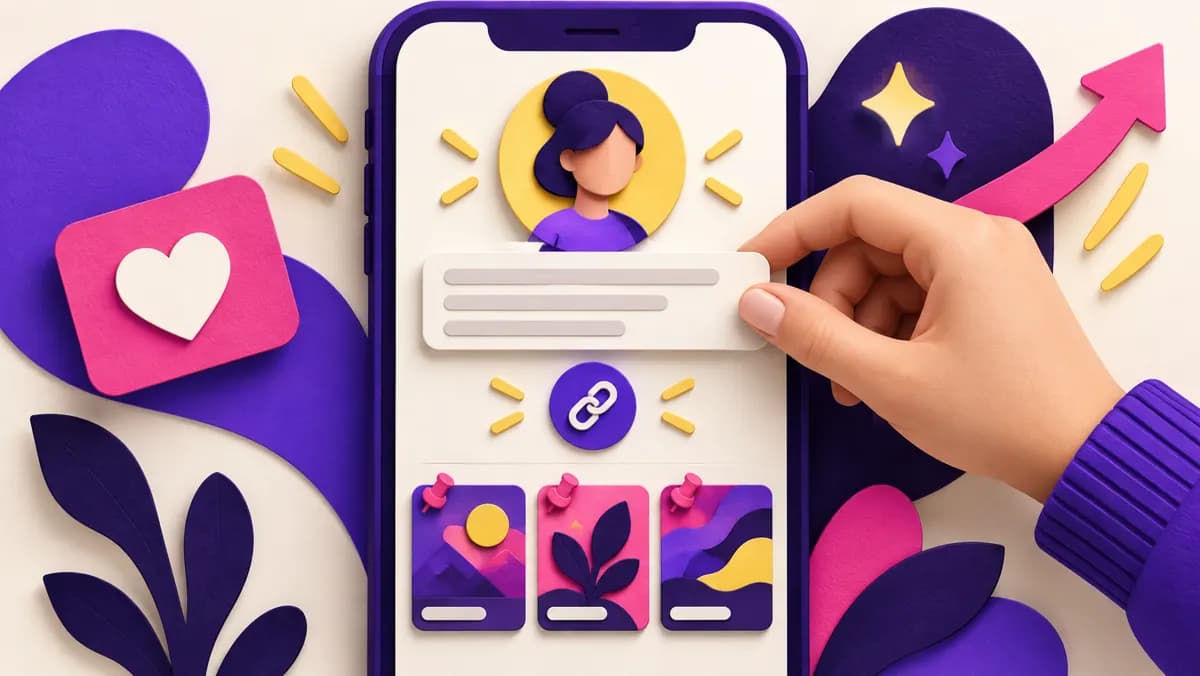
Optimize your TikTok username, photo, bio, links, pinned videos and content grid with a practical checklist focused on real visitor actions.

Twenty-five practical TikTok video ideas for small businesses, grouped by customer questions, process, products and community.
A small-business TikTok growth plan covering clear videos, local discovery, repeatable series, customer questions and honest paid options.